
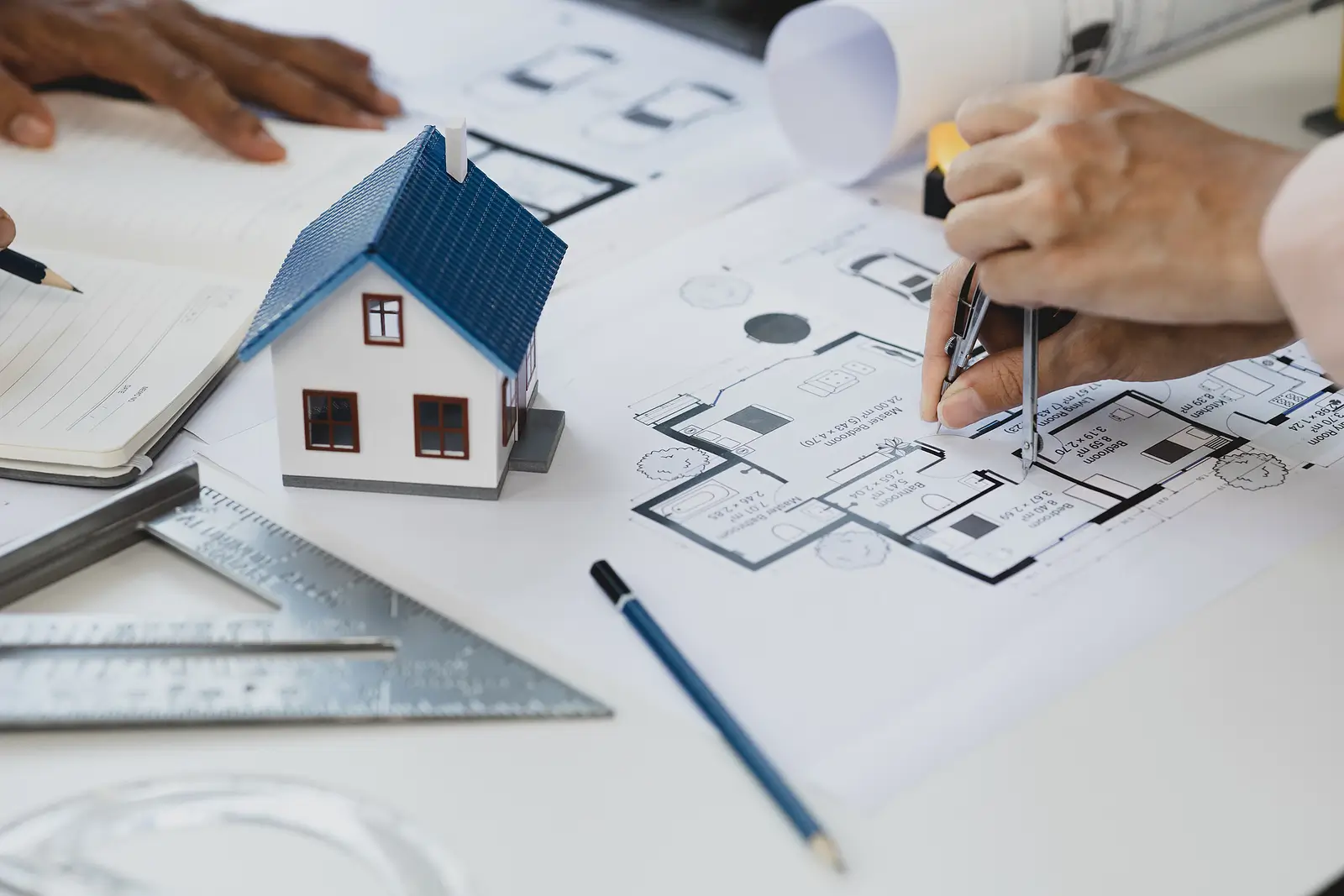
A kitchen upgrade, new flooring installation, or bathroom refresh can feel like a smart investment when preparing a rental for the market. Yet some improvements continue generating costs long after the renovation is complete. Materials that look impressive during showings may require frequent repairs, specialized replacements, or additional upkeep once tenants begin using the property every day.
For Phoenix investors, balancing appearance with durability is often the key to protecting long-term returns. Features that withstand turnover and daily wear can help reduce maintenance expenses while keeping a property competitive. Before committing to major upgrades, many owners start with a rental performance review to evaluate which improvements are most likely to support lasting value.
Key Takeaways
- Durable materials often outperform luxury finishes in rental properties over time.
- Phoenix's climate can accelerate wear on certain high-cost renovation choices.
- Trend-driven upgrades may require more maintenance and earlier replacement.
- Flexible design choices help properties appeal to a broader range of renters.
- Practical renovations can lower turnover expenses and improve long-term returns.
Why Rental-Friendly Renovations Matter
Every upgrade should support a property's financial performance. While aesthetics help attract renters, ongoing maintenance costs play an equally important role in determining return on investment.
Phoenix landlords often benefit from focusing on renovations that can withstand years of regular use. Materials that are easy to clean, repair, and replace frequently reduce expenses while helping properties remain competitive in the local market.
Current rental demand remains strong across many markets, with the national rental vacancy rate reaching 7.1% in Q3 2025. This steady demand encourages owners to focus on improvements that support long-term occupancy rather than short-term visual appeal.
Hardwood Floors May Not Be the Best Long-Term Investment
Beautiful hardwood flooring has long been associated with premium housing. In rental properties, however, maintaining that appearance can become expensive.
Repeated furniture movement, pet traffic, and daily wear gradually leave scratches and dents. Phoenix's dry climate may also contribute to the shrinking or separation between boards over time.
Better Alternatives for Rental Durability
Luxury vinyl plank flooring continues gaining popularity among rental owners because it offers:
- Strong resistance to scratches and scuffs
- Easier cleaning during turnovers
- Lower replacement costs
- Consistent appearance across multiple tenant cycles
Property owners who prioritize long-term asset protection often combine durable flooring choices with a proactive property inspection strategy to identify wear before it becomes costly damage.
Premium Carpet Can Create Ongoing Expenses
Carpet remains a common feature in many rental homes, yet high-end carpet products rarely maintain their value for long.
Even with regular cleaning, carpets absorb odors, collect allergens, and show visible wear in high-traffic areas. Living rooms, hallways, and entryways usually require attention first.
Replacement Cycles Add Up
Every tenant turnover introduces additional stress on carpeted surfaces. Furniture movement, cleaning equipment, and everyday use gradually shorten a carpet's lifespan.
Many investors compare renovation costs against expected returns before selecting flooring materials. Hard-surface options frequently provide better financial performance because they reduce replacement frequency and maintenance demands.
Custom Cabinet Finishes Often Age Poorly
Custom cabinetry can transform a kitchen's appearance, but highly specialized finishes often become difficult to maintain.
Edges, corners, and handles experience constant contact. Over time, paint chips, discoloration, and surface damage become more noticeable.
Phoenix property owners frequently find that simpler cabinet styles deliver stronger value because they remain attractive longer and require fewer touch-ups. Choosing layouts supported by smart floor plan designs can further improve tenant satisfaction without increasing maintenance demands.
Simpler Designs Offer Practical Advantages
Neutral cabinet styles help owners:
- Simplify future repairs.
- Match replacement materials more easily.
- Appeal to a wider tenant audience.
- Maintain a fresh appearance longer.
Decorative Fixtures Can Complicate Maintenance
Designer lighting, specialty faucets, and custom hardware often look impressive during property showings. The challenge comes later when repairs become necessary.
Replacement parts for decorative fixtures aren't always readily available. When products are discontinued, finding matching components can become both time-consuming and expensive.
According to the U.S. Energy Information Administration, lighting accounts for approximately 3.4% of electricity use in American homes. Because lighting systems operate daily, fixture durability becomes an important consideration for rental owners.
For many investors, standardized fixtures simplify inventory management and reduce labor costs during turnovers.
Trend-Focused Kitchens Can Lose Appeal Quickly
Kitchen trends change constantly. What feels current today may appear dated several years later.
Bold cabinet colors, highly stylized backsplashes, and specialty finishes often create challenges when repairs are needed. Matching discontinued materials can require larger renovations than originally planned.
Timeless Choices Support Long-Term Performance
Rather than chasing design trends, many successful landlords focus on:
- Neutral color palettes
- Functional layouts
- Durable countertops
- Easily sourced replacement materials
Owners who monitor evolving market preferences through resources about modern rental technology often discover that convenience and functionality matter more than short-lived design trends.
Built-In Features Can Limit Flexibility
Custom built-ins sometimes appear attractive because they maximize storage or create unique design elements. Rental properties, however, benefit from flexibility.
Different tenants have different lifestyles. Permanent installations may limit furniture placement or reduce a room's versatility.
Common Drawbacks of Built-In Features
Custom built-ins can create several challenges:
- Repairs often require specialized carpentry.
- Layout flexibility becomes restricted.
- Future tenant preferences may differ significantly.
- Renovation costs increase when modifications become necessary.
Flexible spaces generally appeal to a larger renter pool and adapt more easily to changing market demands.
Luxury Bathrooms Require More Upkeep
Bathrooms experience heavy daily use, making durability especially important. Premium upgrades often require additional maintenance to preserve their appearance.
Frameless glass showers, specialty tile, and high-end fixtures can accumulate water spots, mineral buildup, and visible wear over time. Small repairs may also become costly when replacement components are difficult to source.
Many investors instead focus on materials that combine visual appeal with practical maintenance requirements. For properties that require ongoing oversight, services such as home monitoring support can help identify issues before they escalate.
Practical Bathroom Materials Often Deliver Better Value
Durable bathroom finishes typically provide:
- Easier cleaning between tenants
- Faster repair processes
- Lower replacement costs
- Better long-term appearance retention
Owners who emphasize preventive care often pair durable renovations with professional owner support resources and reliable property maintenance solutions to protect long-term performance.
FAQs about Rental Renovation Planning in Phoenix, AZ
How can landlords decide whether to repair or replace aging rental features?
The decision often depends on recurring maintenance costs, tenant complaints, and expected lifespan. When repairs become frequent or replacement parts are difficult to source, installing newer materials may provide better long-term value.
Can renovation choices affect how quickly a rental property leases?
Yes. Renters often respond positively to clean, functional spaces with durable finishes. Well-planned improvements can improve marketability and help properties stand out without requiring luxury-level renovation budgets.
Why do some rental upgrades become more expensive over time?
Certain materials require specialized cleaning, replacement parts, or professional repairs. These ongoing expenses may seem minor initially but can accumulate significantly across multiple tenant turnovers and lease cycles.
What should owners consider before selecting renovation materials?
Property owners should evaluate durability, ease of maintenance, availability of replacement products, and tenant appeal. Materials that balance appearance with practicality often contribute to more predictable operating costs.
How do long-term investors approach renovation planning differently?
Many long-term investors focus on consistency and operational efficiency. They often prioritize improvements that reduce future maintenance demands, simplify repairs, and support stable rental performance for years to come.
Smarter Upgrade Choices Pay Off Long After Move-In Day
Every renovation decision affects future maintenance, tenant satisfaction, and overall profitability. Materials that handle daily wear with fewer repairs often contribute more to a property's success than finishes designed primarily for visual impact.
Phoenix rental owners who prioritize durability can spend less time addressing preventable issues and more time focusing on long-term growth. Whether you're evaluating flooring, cabinetry, fixtures, or bathroom upgrades, selecting practical improvements today can help reduce expenses across multiple lease cycles. At PMI Phoenix Golden West, we help investors make informed decisions that support stronger rental performance. Elevate your property care plan and keep your investment positioned for lasting results.